
During my time with my host family in Mexico (spring 2022) I was invited for an excursion. However, I did not know where we would go. With the car we were about three quarters of an hour on the road.
It was obviously mega hot. 🥵 And first we walked a small path, without shadows, of course, to a museum. There we talked about the archaeological site and theMurals of CacaxtlaThey informed and marveled at the exhibits. I think the entrance fee was 5 euros for the complete facility including the museum.
After approx. 20 minutes we went on, of course again in the blazing sun 🌞And finally came to the ruins. Fortunately, she was reconsidered! We had over 35 degrees and at lunchtime it is really dangerous to be outside long without a head covering.
I really liked the trip and especially I found theMurals of CacaxtlaThe most beautiful and impressed. Sometimes I was a little queasy, however, because we were told that there were certainly human sacrifices here at this site. That there were also human sacrifices at such sites in the past is part of the story and should be aware when visiting pyramids or similar places in Mexico.
The trip to Cacaxtla was an experience that brought me many new impressions. With this article I would also like to give you a little insight fromCacaxtla and the murals.
*This article contains affiliate links. If you book a tour via this link, then I get a small commission, the price does not change for you. I only recommend products that I have tried myself or reliably know from friends that I can recommend them with a clear conscience. Thank you for your support.
Table of contents
History of Cacaxtla
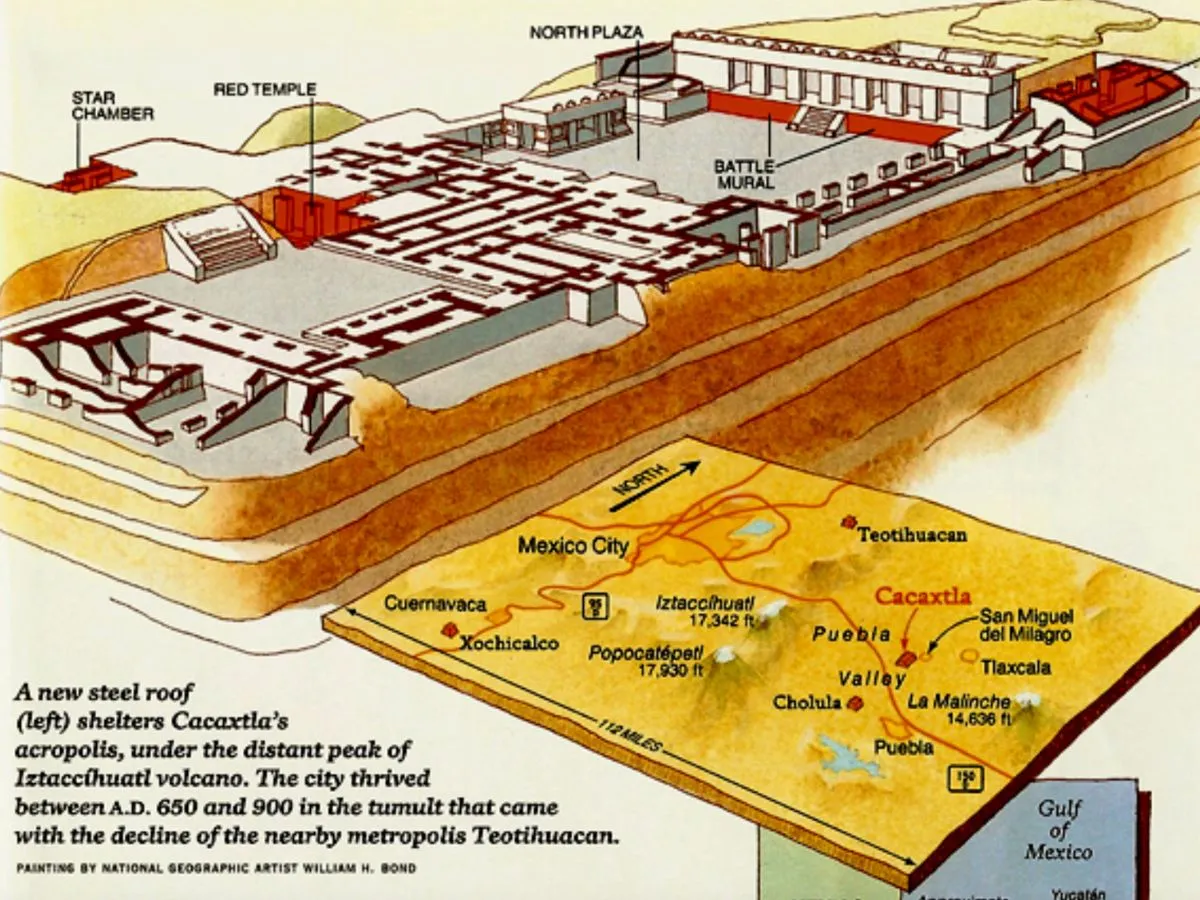
Cacaxtlae(pronounced Ka-cosh-la) was a powerfulPoliticalMilitary and economicCentre. In the past, this city was formed by theOlmeca xicallancaHe was established, but only after that.DeclinefromTeotihuacaneCholula is a supremacy.
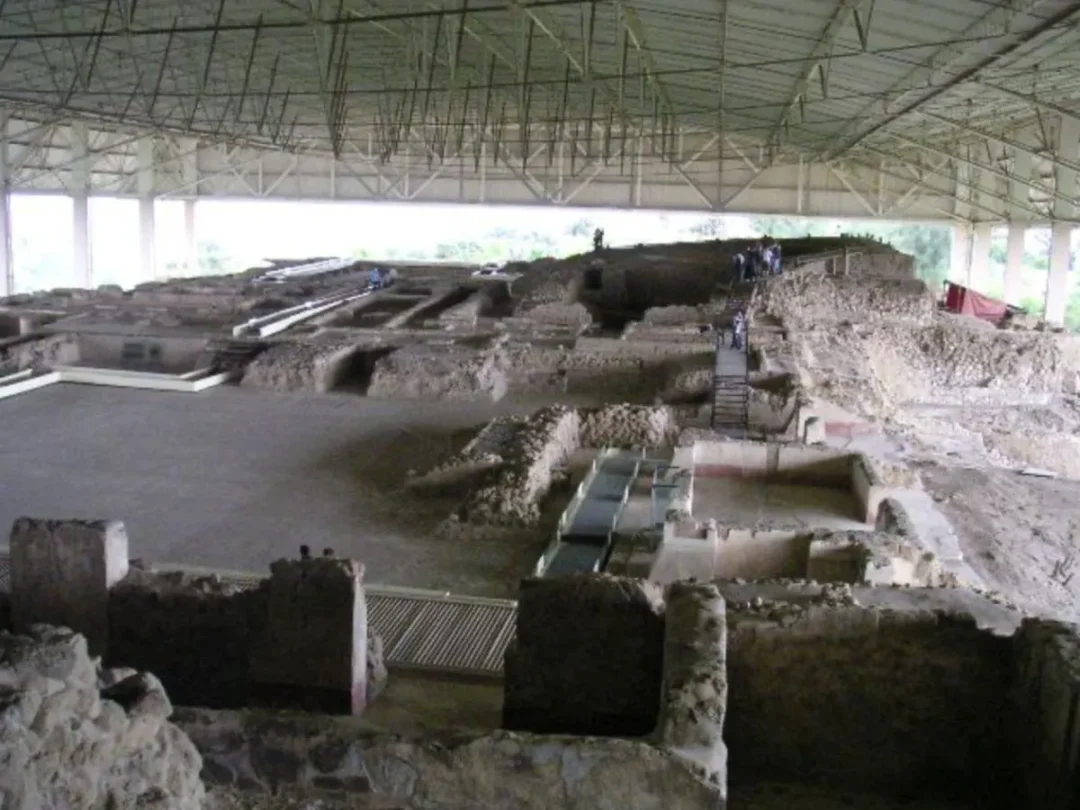
After the decline of the latter two cities took overCacaxtlaePolitical control over today's territory ofPuebla-Tlaxcala.Cacaxtla experienced between 650 and 900 AD, during the Late Classical period, a flowering period in which itTrade relationsfor:Gulf Coastand to the Valley of Mexico. About10,000 peoplelived in this center between 650 and 900 n. CH
Through hisStrategic favourableLocation on the trade routes leading to the territories of today's federal statesTabascoand led Campeche, gained it greatWealth. Around the year 1000, the city was abandoned for unknown reasons.
Who painted the wall paintings of Cacaxtla?
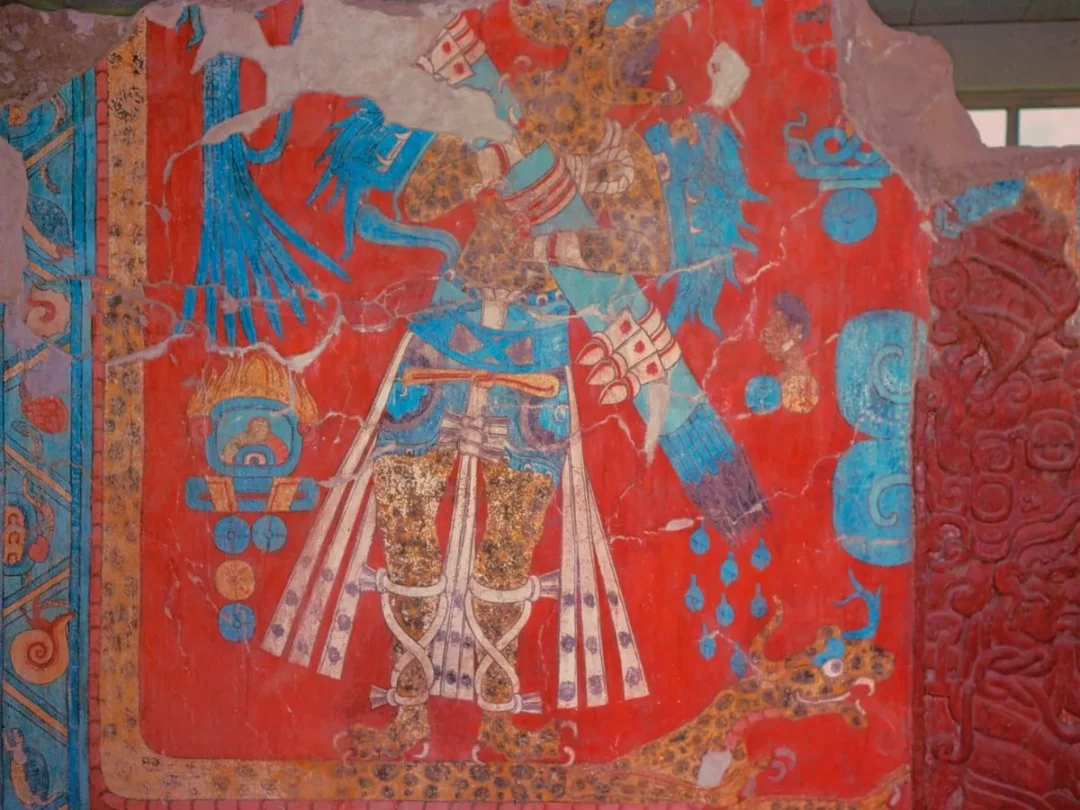
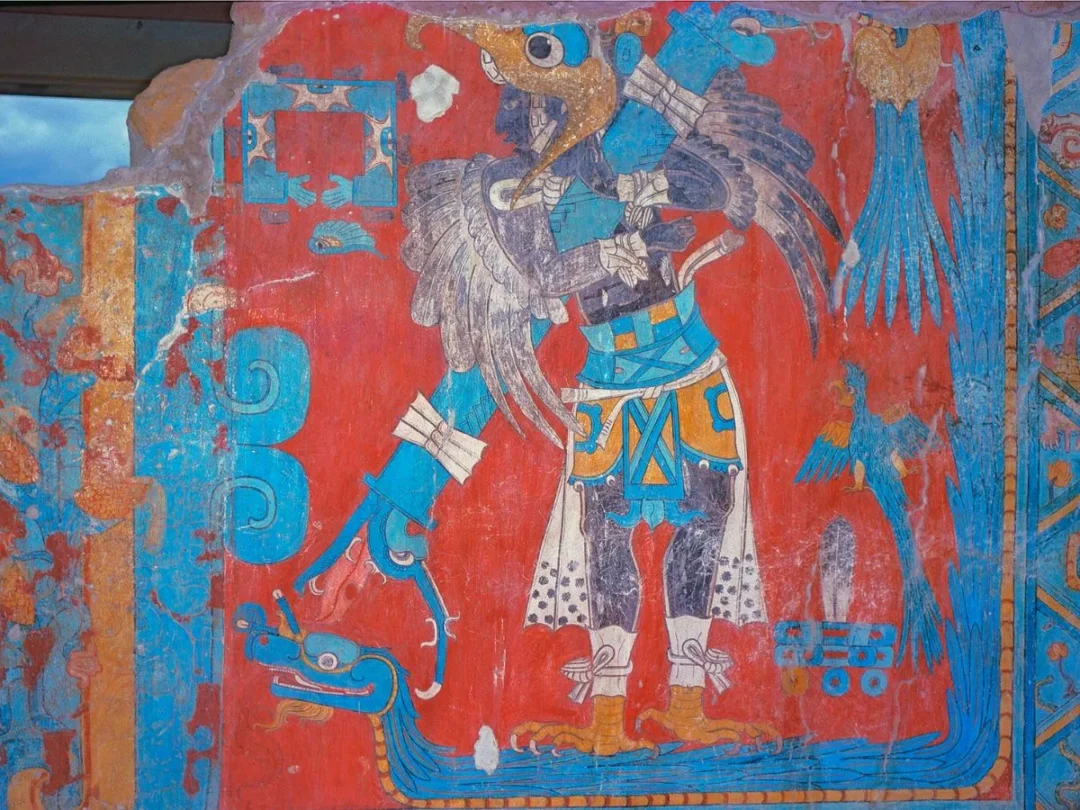
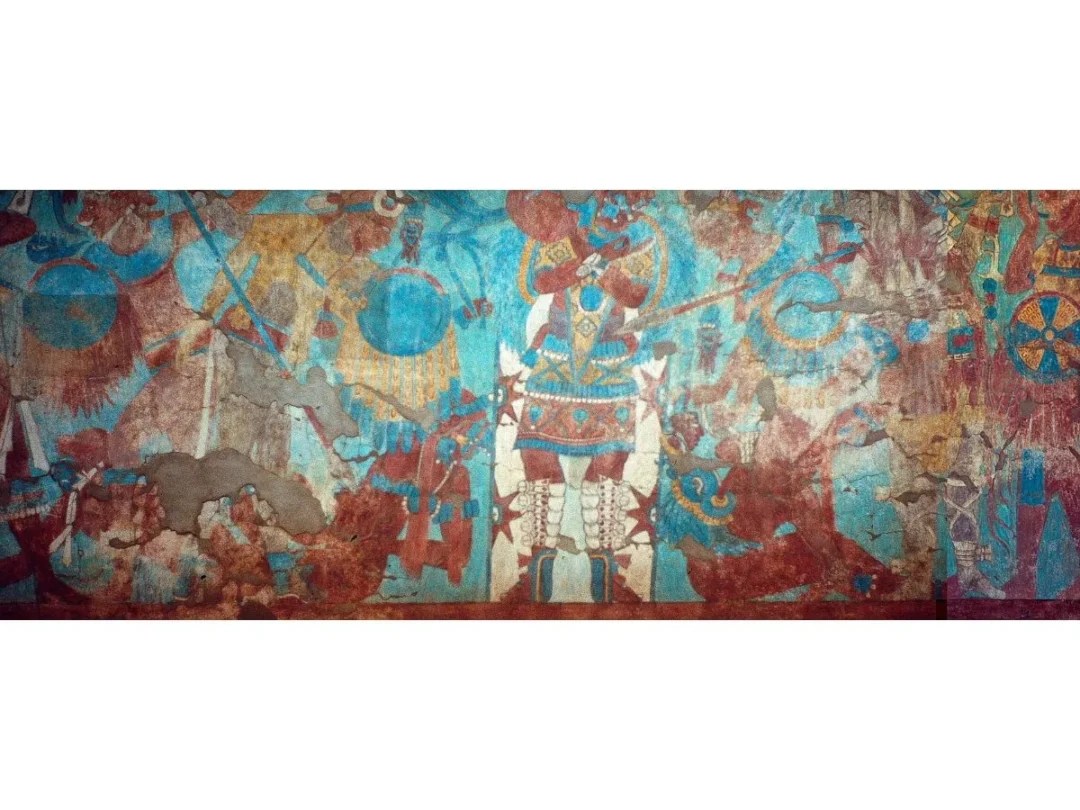
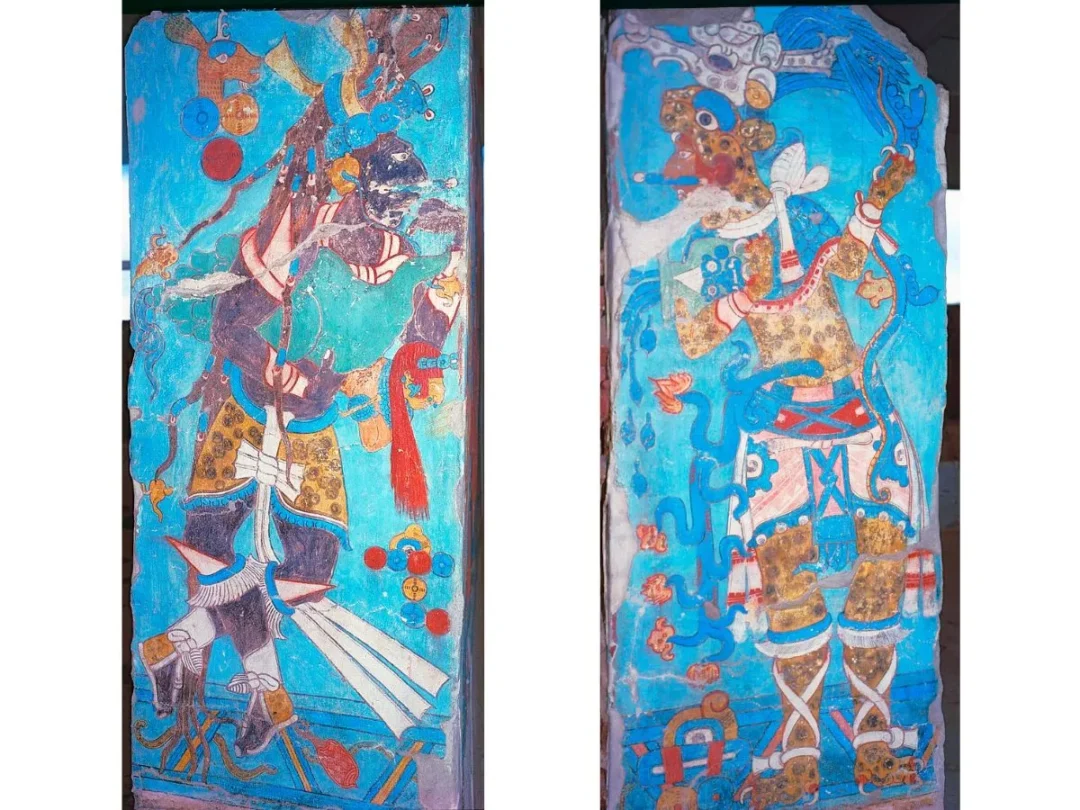
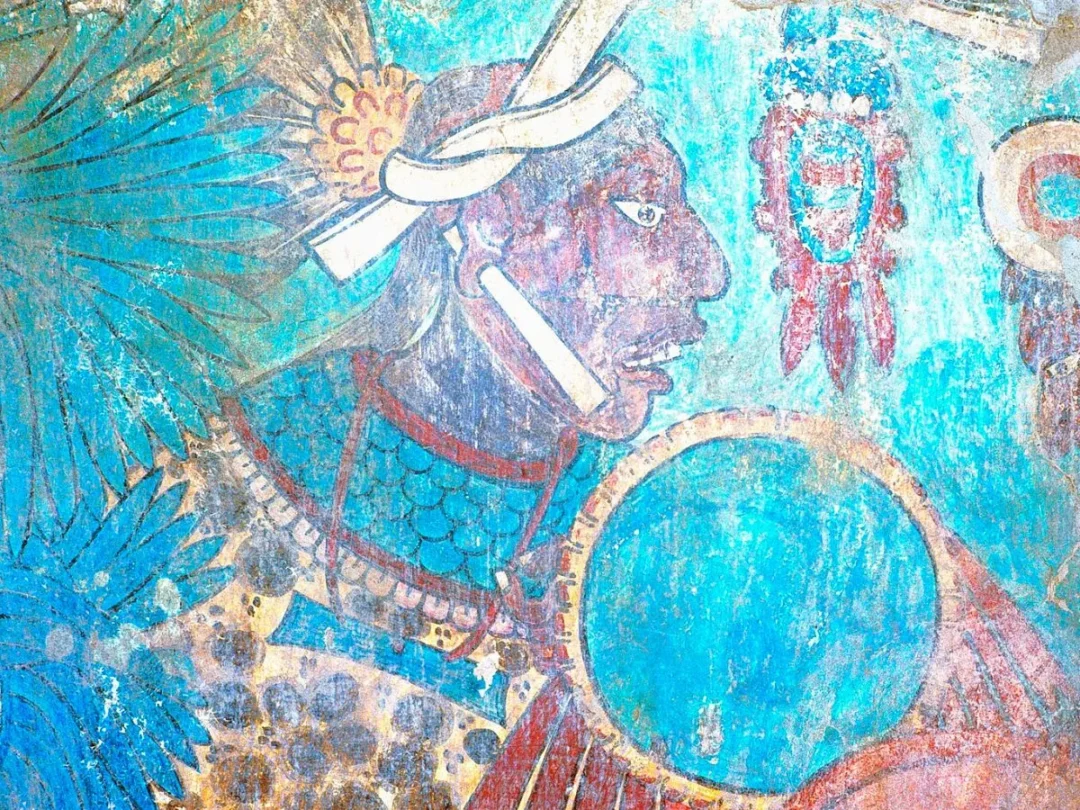
What makes this place so special are the amazingly goodobtained Wall paintingswith red, blue, yellow, black and whitePigmentsmade from kaolin, obsidian, lime and other local minerals and are truly unique.
But the real highlight is the hugeWall paintingswhich give us a unique insight into their past. The wall paintings show influences both from theMayan– as well as from the Teotihuacan-Region(which is why it was not entirely excluded that the site was actually used by the Maya) and showMotivesFromMythologyreligion, war, defeat and peace; There are also very realisticNatural representationswith symbolic features that have not yet been fully decoded.
From Puebla you can wonderfully take a day trip to Tlaxcala. You can either marvel at the ruins on your own or book a private tour with a professional and expert guide who can tell you the history, background and secrets of Cacaxtla in detail.Via this link you can book a private tour.
The Mayan Blue
Blue was the color ofOfferingswith the Maya. wallpapers, perfume resin andArticleswere painted with Mayan blue, a special, extremely resistantPigments. Chemists have now found that aMixtureFromPalygorskiteandIndigoThe bright blue color is produced. They also found that the MayaCopal resinmineral andIndigo leavesburned to make the pigment.
Are you interested in Mexico?
Then I recommend you these exciting articles:
The production was probably part of aCeremonyand symbolized theHealing Forceof the rain for theagricultural Companyof the Maya. These healing substances were used asOfferingsoffered, among other things, for theGrowthAsk for rain from the harvest.
San Miguel del Milagro and the Alegria
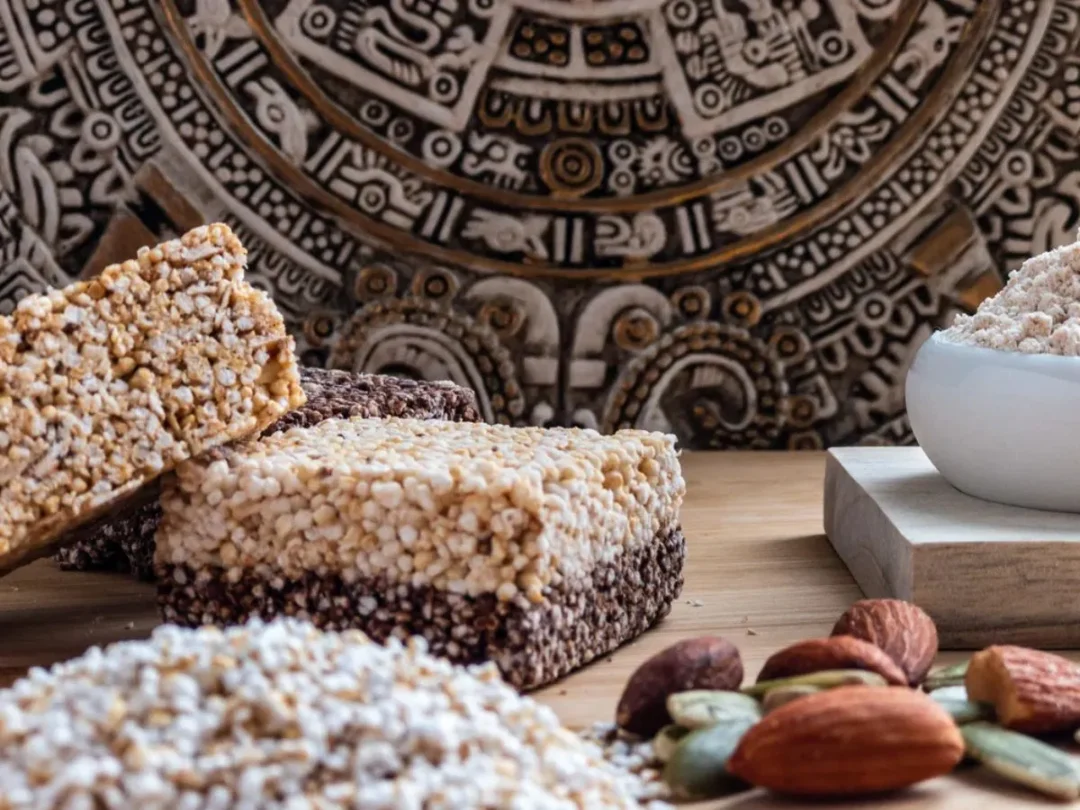
The smallPilgrimage siteSan Miguel del Milagro is for aSweetsespecially well known – theAlegria. These handmade delicacies consist mainly ofAmaranth. San Miguel del Milagro has beenHundreds of yearsknown for growing amaranth and has a close relationship with this unique plant.
The Alegrias made in this community are stillmade by hand.The Amaranth isDirectly grown on siteandNo chemical additivesused and the amaranthFree from weedsis. The Alegrias are indifferent variations,of which varieties withCocoaandChocolate chipsAnd those are my favorites too!
Frequently asked questions about the wall paintings of Cacaxtla
What is the story of Cacaxtla?
Cacaxtla was the capital of a region inhabited by the people of Olmeca-Xicalanca. The origin of the Olmeca-Xicalanca is not known with certainty, but it is believed that they came from the Gulf Coast region and were possibly Mayan settlers who came to this part of central Mexico around 400 AD.
How well preserved are the wall paintings of Cacaxtla?
The wall paintings of Cacaxtla are relatively well preserved and can still be visited in situ with many original colors and motifs, because they remained undiscovered and protected for a long time.
Is Tlaxcala Aztec or Mayan?
Tlaxcala was neither Mayan nor Aztec, but was inhabited by the Tlaxcaltecs. These belonged to the same Nahuatl cultural family as the Aztecs, but were their bitter opponents and politically independent.
In which country is Tlaxcala located?
Tlaxcala is a state in central Mexico, the smallest state in the country, but very densely populated. The capital is the city of Tlaxcala de Xicohténcatl.


Write a comment