
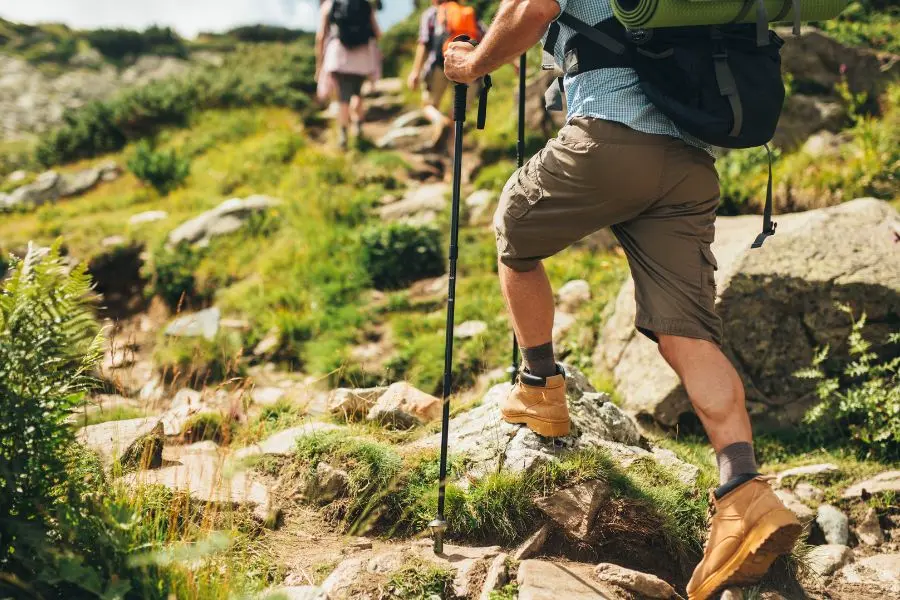
The rucksack is packed, the anticipation rises, and the mountains call! But wait – do you really have everything with you? Or worse, have you packed too much? A successful cottage tour does not start on the hiking trail, but already with the right packing. Those who take too much carry unnecessary weight around with them, those who pack too little may end up missing exactly the one part that makes the difference between cozy cottage overnight and uncomfortable emergency solutions.
So that you do not forget anything, you will find thePacking list for the cottage tour– Clear, practical and easy to tick off. FromClothing and equipmentoverHygiene productsto the little things that are often overlooked: This list will help you pack your rucksack in a structured way and make sure that you are ready for yourTrekking tourThey are well equipped. So, get to the checklist – your tour can come!
Table of contents
Packing list cottage tour: download PDF now
Before we delve into the details, you can read our completePacking list for cottage tours as a practical PDF documentDownload. So you can easily tick off individual points when packing and keep the overview.
Here is the packing list for the cottage tour
Clothing and footwear
The right clothes can decide on a cottage tour about well-being and safety. Functional clothing made of merino wool is particularly recommended, as it remains odor-neutral and dries quickly.
- Hiking shoes (ankle-high, run-in models provide the best protection for your joints)
- Rain jacket and rain trousers (required in case of weather changes in the mountains)
- 2-3 functional shirts (during the day for hiking)
- 1 long underpants and 1 thermoshirt (for cold evenings on the cottage)
- Changing clothes for the cottage (light and cozy)
- Walking socks (2-3 pair, special walking socks avoid blistering)
- Fleece jacket or light down jacket
- Hat, gloves and scarf (also useful in summer at higher altitudes)
When choosing your hiking equipment, you should use the onion principle. So you can react flexibly to different temperatures and do not have to pack too much.
Backpack
The backpack is the central element of your equipment and should therefore be selected with special care. When choosing your backpack, you should pay attention to an ergonomic fit that optimally distributes the weight on the hips and shoulders. A good hip belt relieves your shoulders and protects the joints even on strenuous passages. Many modern backpacks also offer a back system with ventilation, which increases the wearing comfort, especially on summer cottage tours.
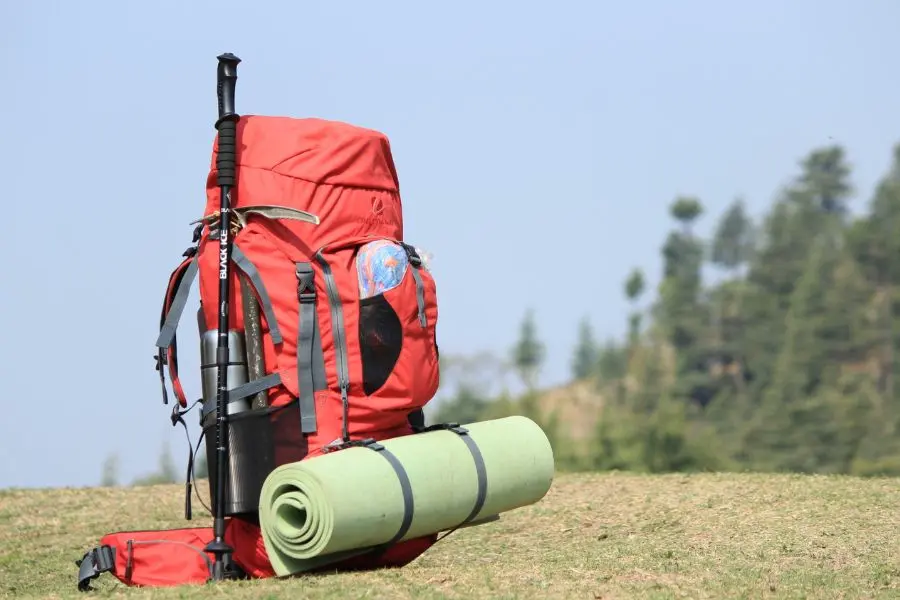
- Hiking backpack (30-45 liters of volume for multi-day cottage tours)
- Rain cover for the backpack
- Pack bags of various sizes for organization
- Compression belts for stabilizing the charge
- Hip-belt bag for small things
- Shoulder pads for additional comfort
- Exterior bags for drinking bottle and snacks
- Interior compartment for valuables
- Reflectors for better visibility
- Light daypack option (foldable) for summit climbs from the cottage
When packing your backpack, be sure to place heavy objects close to your back and center. Things you often need during the day—like water, snacks, or the rain jacket—should be stowed away in the upper compartments or outer bags so you have them at hand without having to unpack the entire backpack. With this strategy you can distribute the backpack weight optimally and save strength for the actual hike.
Tip: Always remember: less is more!
Hygiene/culture bag
A compact wash bag saves space in the backpack and still contains everything important for personal hygiene on the cottage tour.
- Microfibre towel (light and fast-drying)
- Toothbrush and small tube toothpaste
- Biodegradable soap (for body and laundry)
- Deodorant stick (small and leak-proof)
- Wet wipes (when water is scarce on the hut)
- Earplugs (for quiet nights in mattress storage)
- Sun cream with high sun protection factor
- Lip care pen with UV protection
When packing the culture bag, bet on travel sizes that take up less space and keep the weight of your backpack to a minimum.
Extras for Women
For women, there are some additional considerations in the packing list for multi-day cottage tours that can increase comfort.
- Menstrual cup or compact period products
- Moisturizer for claimed skin
- Hairband or buff (multiple insertable)
- Sports bra (fast drying and comfortable under functional shirts)
- Light Leggings for Sleeping
These extras take up little space, but can make the stay on the cottage much more pleasant and provide more comfort on the hike.
Equipment for the overnight stay on the cottage tour
The right equipment forms the foundation for a successful cottage tour. With these basics, you are well prepared for most situations.
- Hiking backpack (30-40 liters for cottage tours without a tent)
- Cottage sleeping bag (mandatory on most cottages)
- Drinking bottle or bladder (at least 2 litres)
- Telescopic walking sticks (relieve knees and joints)
- Headlamp with replacement batteries (for early starts or late arrivals)
- Pack bags of various sizes (for organizing the contents of the backpack)
- Pocket knife (multifunctional outdoor tool)
- Small repair equipment (adhesive tape, safety pins, string)
Depending on the destination of the tour, special equipment such as crampons for glacier passages or equipment for climbing walkways should also be considered.
Technology and orientation
Reliable guidance is indispensable on a cottage tour and can even be life-saving in difficult situations.
- Maps of the region (also as a backup for digital navigation)
- Compass and altimeter (when moving in alpine terrain)
- Smartphone with preloaded offline cards (in waterproof case)
- Powerbank (essential for multi-day tours)
- Headphones (for relaxing music or your favorite podcast after a hard day)
- Yield GPS device (for demanding orientation)
Keep in mind that many huts have limited or no ability to charge electronic devices. Save battery power by operating the smartphone in flight mode.
For the hut overnight
Staying at the cottage can be very cozy if you have the right things with you that increase your comfort.
- Cot sleeping bag (mandatory in most DAV huts)
- Light cottage shoes or flip-flops (a treat after a long hiking day)
- Ear plugs and sleep mask (for restful sleep in mattress storage)
- Small pillow (inflatable or fillable with clothes)
- Book or e-reader (for leisurely evening hours)
- Small padlock (for lockers in some huts)
A tip: On many huts you can rent a towel for a small fee, which saves you extra weight in the backpack.
Additional equipment for self-catering smelters
If you stay on a self-catering hut, you will need additional equipment to be self-sufficient and self-sufficient.
- Small gas cooker with fuel
- Light cookware (pot, pan)
- cutlery and plates/bowls (foldable or light)
- Detergents and small towels
- Garbage bag (what you carry up, you also have to carry down again)
- Water filter or disinfection tablets (unsafe water supply)
- Tent or bivouac bag (on very remote tours as emergency equipment)
On a self-catering cottage tour, the weight of your backpack increases significantly. Think carefully about what you really need and where you can save.
Food and accessories
The right food provides you with the necessary energy for strenuous hiking stages and lets you enjoy nature to the fullest.
- High energy snacks (nuts, dried fruits, cereal bars)
- Emergency provision (for unexpected delays)
- Water bottle for filling (at least 2 litres capacity)
- Electrolyte powder (for heavy sweating)
- Tea bags or instant coffee
- Sugar packets or honey
- Small flat man (for the evening enjoyment on the hut)
On farmed huts you can usually get breakfast and dinner. Find out which care options your planned overnight locations offer.
Health and first aid
A compact first aid kit belongs in every backpack. For multi-day cottage tours, you should pay particular attention to your health.
- First aid kit with bladder patches, dressings, disinfectants
- Personal medications
- Sunscreen (cream, lip protection, sunglasses, cap)
- Tick forceps or card
- Rescue Blanket (light rescue blanket)
- Pain medication
- Powder and electrolyte powder
- Wound spray or ointment
A tip: Before your tour, find out about emergency numbers in the region and save them to your phone.
Paper and paper products
This category is often overlooked, but it contains important documents you need for your cottage tour.
- Identity card or passport (for cross-border tours)
- Health insurance card
- DAV ID (for discounts on smelters)
- Cash (not all lodges accept cards)
- Emergency contacts (on paper in case your phone goes down)
- Tour description and reservation confirmations
- Small emergency call equipment (pipe, signal mirror)
This other category should be stowed in a waterproof bag so that important documents are protected even in the rain.
Finance
When planning your cottage tour, you should also consider the financial aspects to avoid unpleasant surprises.
- Sufficient cash (between 50-80)€ Planning per day
- EC card as backup (if available on the hut)
- Small change for showers (paid on some huts)
- Budget for unexpected expenses
- Emergency nest eggs (e.g. taxi ride to the valley in case of injury)
In most huts in the Alps you can pay with cash, electronic means of payment are not accepted everywhere due to the often limited infrastructure.
Packing list for the cottage tour with children
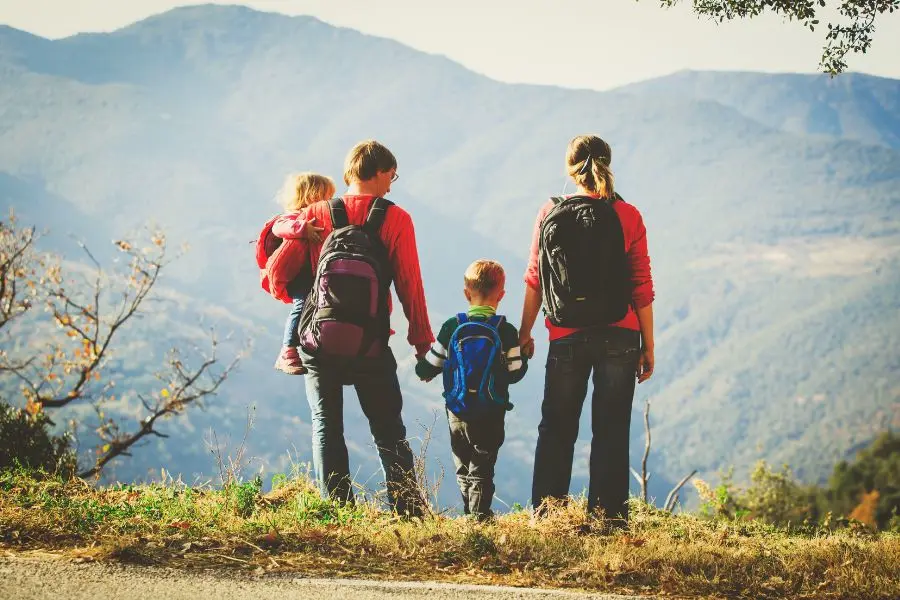
A cottage tour with children requires special preparation, but can become an unforgettable family experience.
- Lightweight backpack for children (adjusted to age and size)
- Changing clothes (more than for adults)
- Favorite stuffed animal or book
- Games for rainy hours on the hut
- Sunscreen and mosquito protection
- Child-friendly snacks
- Bladder patches and child-friendly first aid material
- Headlamp for children (is also fun!)
Plan shorter stages for tours with children and ensure regular breaks. The more relaxed the tour, the more joy everyone involved will have.
If you are looking for more packing lists for the family holiday, take a look here:Packing list for holidays with children + checklist for babies.
Packing list for the cottage tour: 3 days on the way
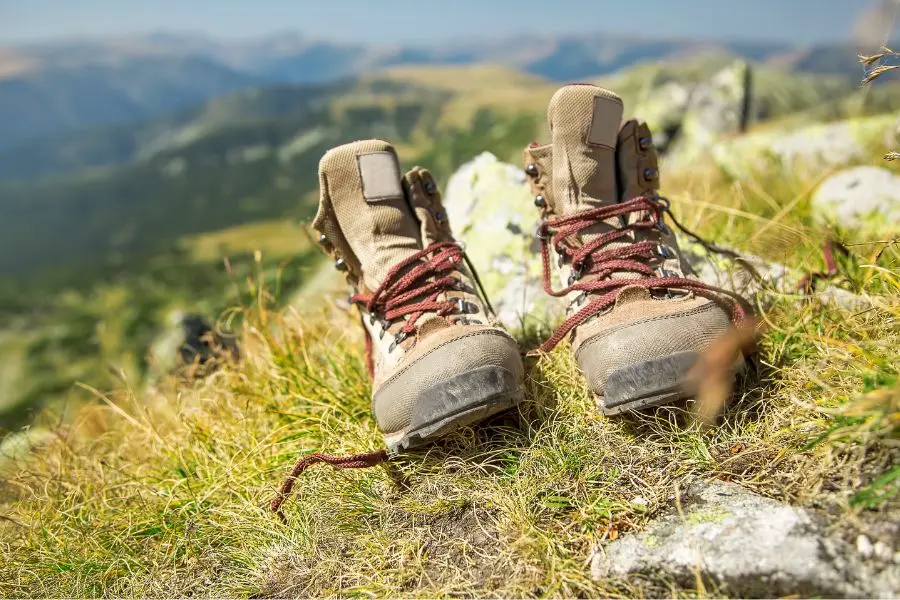
For a short 3-day cottage tour, you can make do with a more compact backpack and have to pack less changing clothes.
- 1 change shirt and underwear
- Minimum equipment (cottage sleeping bag, hygiene articles)
- Less provisions (only 2 days on the road)
- Lighter technology (smaller power bank is usually sufficient)
- Map for the relevant area only
On a shorter tour, you can save weight by taking only the absolute minimum. The more relaxed the hiking experience.
For the easy hiking holiday we also have a packing list:Packing List Hiking Holidays: Printing Checklist.
Packing list for the cottage tour: 4 days on the way
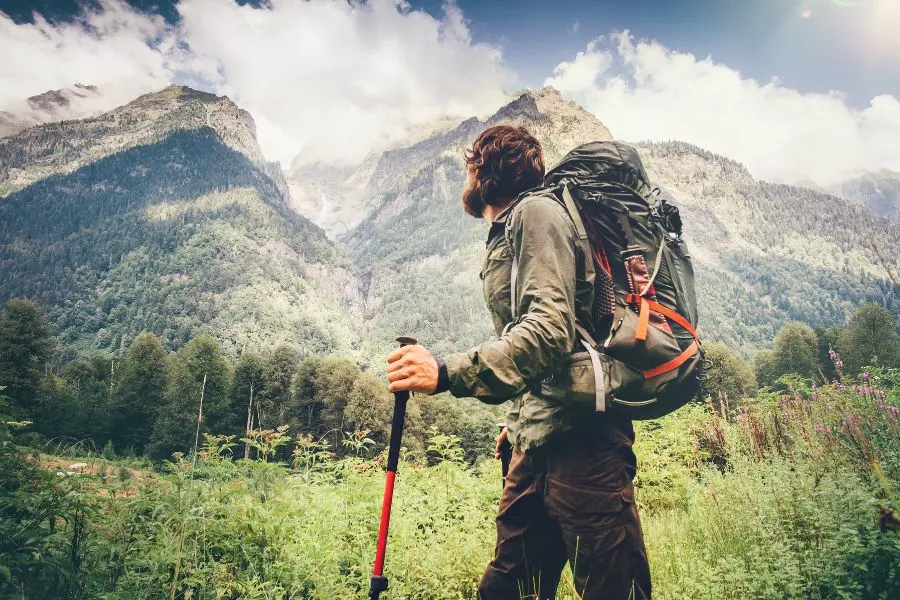
With four days on tour, you’ll need a little more equipment without the backpack getting too heavy.
- 2 changing shirts and underwear
- Medium power bank (for 3 nights without charging)
- A little more food on the road
- Possible replacement shoe bands or small repair equipment
- Bladder patches and sufficient medication
A four-day cottage tour is ideal for beginners on multi-day tours, as the luggage remains manageable while you can already experience a real adventure.
Packing list for the cottage tour: 5 days on the way
For five days on a cottage tour, you should choose your equipment carefully so as not to carry too much.
- 2-3 changing shirts and underwear
- washing soap for clothes (to be able to wash on the go)
- Larger power bank or solar charger
- Extensive first aid equipment
- Possible replacement glasses/contact lenses
On longer tours, it often makes sense to wash clothes on the go rather than pack more. So you can save considerable weight and still keep fresh clothes.
If you want to camp in between, this packing list will help you plan:Camping Packing List: Checklist for Tent, Caravan & Bicycle Travel.
Packing list for the cottage tour: 6 days on the way
Six days from cottage to cottage require a thoughtful packing strategy to optimize the weight in the backpack.
- System for washing and drying clothes on the go
- Sufficient provisions for long stages
- Reliable navigation equipment for longer routes
- Possible replacement battery for camera or smartphone
- Shoe care products for longer tours
On a six-day tour, you can use different compartments in your backpack to keep order and quickly get important equipment without having to unpack everything.
Want to travel longer? The Camino de Santiago is suitable for short, but also for very long hikes. Here you will find a packing list:Packing list Jakobsweg (pilgrims) + extra tips for women.
Packing list for the cottage tour: 7 days on the way
A one-week cottage tour is already considered an ambitious project and requires experience in mountain sports as well as careful equipment planning.
- Efficient packing system with different packing bags
- Clothing made of fast-drying materials for washing on the go
- Comprehensive repair equipment
- Possibly lighter sleeping bag instead of cottage sleeping bag (for unheated cottages)
- Sufficient cash for one week
On a weekly tour you should carry a maximum of 8-10 kilograms on your back. The less weight, the more you can enjoy the landscape and the hiking experience.
Frequently asked questions about the packing list for the cottage tour
How Much Should My Backpack Weigh Maximum for a Cottage Tour?
Your backpack should ideally not weigh more than 8-10 kilograms, as any extra weight makes the hike more strenuous and strains the joints. Women should carry about 1/4 of their body weight and men a maximum of 1/3 of their body weight.
Do I need special insurance for cottage tours in the Alps?
For cottage tours in the Alps, especially for cross-border tours, a foreign health insurance with salvage costs is highly recommended. A DAV membership already includes good insurance coverage for mountain sports activities.
How do I prepare for unexpected weather changes?
Always pack a good rain jacket, warm layer and gloves, even in seemingly stable weather conditions. Check weather reports shortly before the tour and load a weather app with thunderstorm warning on your smartphone.
What alternatives are there if all the huts are fully booked?
For fully booked huts, you can ask for emergency camps (often not reserved in advance), consider alternative route planning with less frequented huts or be self-sufficient with a tent and isomat, where bivouacing is allowed.

